Questions we are often asked
Plain answers to the questions people ask most about damp, timber and how we work. Each service page has its own questions too.
Surveys and quotes
How much will the work cost?
It depends on the cause, how far it has spread and how much plaster or timber needs replacing. Quotes are free, so you will have a price before you decide anything. Our damp proofing page sets out what affects the price.
Do you charge for a quote?
No. Quotes are free, with no obligation to go ahead.
Can I send you photos first?
Yes. Send them on WhatsApp and tell us what you have noticed. It helps us understand the problem before we visit.
Damp
How do I know what kind of damp I have?
Where it shows up is the best clue. Low on a ground-floor wall often means rising damp. Worse after rain suggests water coming through the wall. Black mould in corners is usually condensation.
Will I need a new damp proof course?
Not always. A damp proof course is the barrier low in a wall that stops moisture rising. Plenty of damp comes from condensation, leaks or raised ground levels, which a new course will not fix.
Is black mould a damp problem?
Usually it is condensation: moist air from cooking, washing and breathing settling on cold walls and windows. It needs ventilation and warmth rather than damp proofing. See condensation and mould.
Timber
What is the difference between wet rot and dry rot?
Both are fungi that feed on damp timber. Wet rot stays where the timber is wet. Dry rot can spread through plaster and masonry to reach other timber, so it needs dealing with quickly.
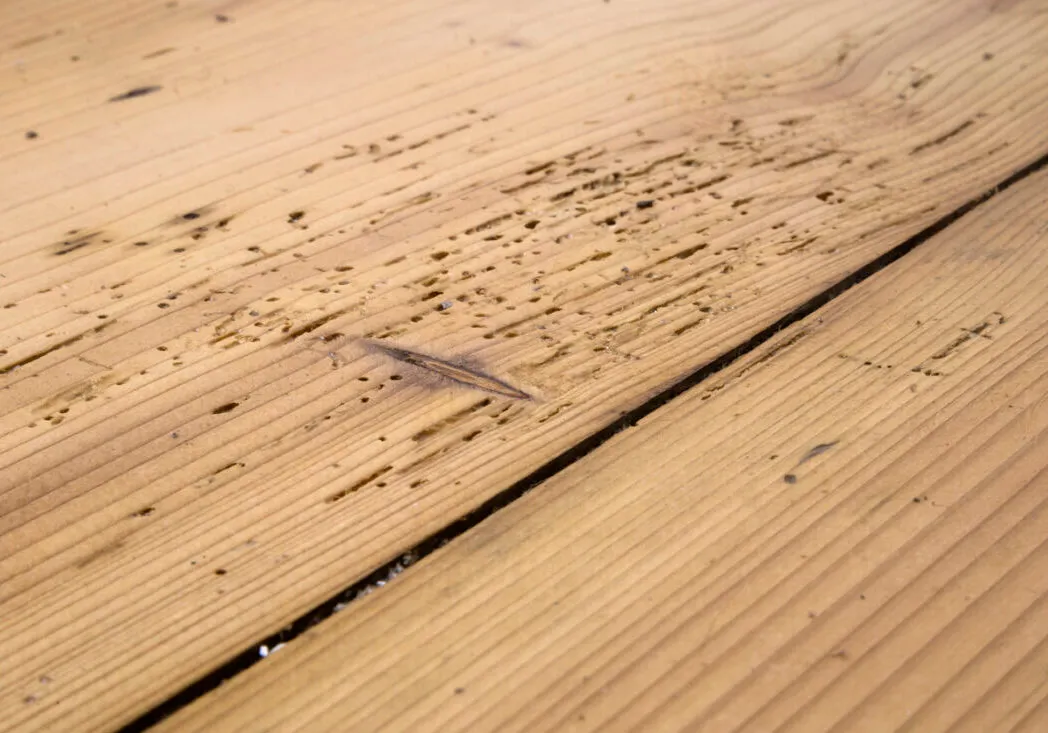
Are old woodworm holes a problem?
Not always. Older houses often have holes from woodworm that died out long ago, which need no treatment. Fresh, pale dust and new holes mean it may still be active. See woodworm.
Basements
Can a damp cellar be made dry?
Most can. To use a cellar as a room, the walls and floor are tanked to keep water out; for storage, ventilation and fixing a leaking gutter or drain outside may be enough. See basement and cellar conversions.
Walls
What causes horizontal cracks in brickwork?
Often rusting wall ties, which swell and crack the mortar joints, usually every few courses. Settlement and failed lintels crack brickwork too, so it is worth having checked. See wall tie replacement.
Can cavity wall insulation cause damp?
It can, in walls exposed to driving rain or in poor condition when they were filled. Many insulated walls have no problem at all, so the cause needs checking first. See cavity wall insulation removal.
Working with us
How long does the work take?
A typical job takes one to five days. When we quote, we will tell you how long yours should take and whether you can stay in the house.
Is the work guaranteed?
Yes. Our treatments come with a guarantee. Ask us about the terms for your job.
Which areas do you cover?
We are based in Rotherham and work across South Yorkshire, including Sheffield, Barnsley and Doncaster. See the areas we cover, or if you are further afield, call us on 07579 009 735 and we will tell you.
Are you a family business?
Yes. We are a family-run firm based in Rotherham, with over 30 years in the trade. See about us.
Will you tell me if I do not need you?
Yes. If the answer is a gutter repair, a working fan or lowering a flower bed against the wall, we will say so.
By service
More questions, service by service
Each service page answers the questions people ask about that work.
- Questions about damp proofingDo you need to see the damp before you quote?
- Questions about rising dampIs rising damp a myth?
- Questions about penetrating dampWhat is the difference between penetrating and rising damp?
- Questions about condensation and mouldCan I just use bleach on black mould?
- Questions about damp surveysWhat is a damp and timber survey?
- Questions about timber treatmentWhat does timber treatment involve?
- Questions about woodwormHow do I know if woodworm is still active?
- Questions about wet and dry rotWhat is the difference between wet rot and dry rot?
- Questions about basement and cellar conversionsWhat is cellar tanking?
- Questions about wall tie replacementWhat are cavity wall ties?
- Questions about cavity wall insulation removalCan cavity wall insulation cause damp?
Not sure what you are looking at? Send us a photo.
A picture of the wall, floor or timber helps us understand the problem.
or call 07579 009 735, or see all the ways to reach us